
Building an Eco -Friendly dream house in Costa Rica
Small is BigSometimes the most effective new home is a smaller home. This equation changes in urban environments.

Latest Listings







Small Is Big
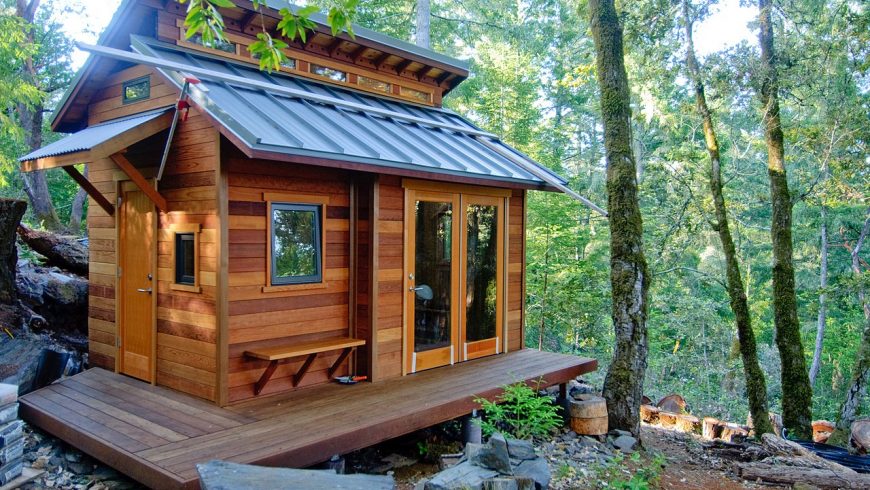 A smaller home needs fewer building materials and requires less energy to cool down and warmth. When planning a replacement home, ensure to honestly assess your needs, both in terms of the amount of rooms needed, and therefore the size of these rooms. Tiny homes, currently very fashionable on television shows, are attractive and have clear environmental and energetic advantages.
While most people would have a tough time living permanently in these small spaces, they’re a form of laboratory which might provide important lessons about energy efficiency, space use, and general frugality. Your indulgence for these TV shows can provide you with great ideas applicable on a more livable scale.
Build with Sustainable Materials
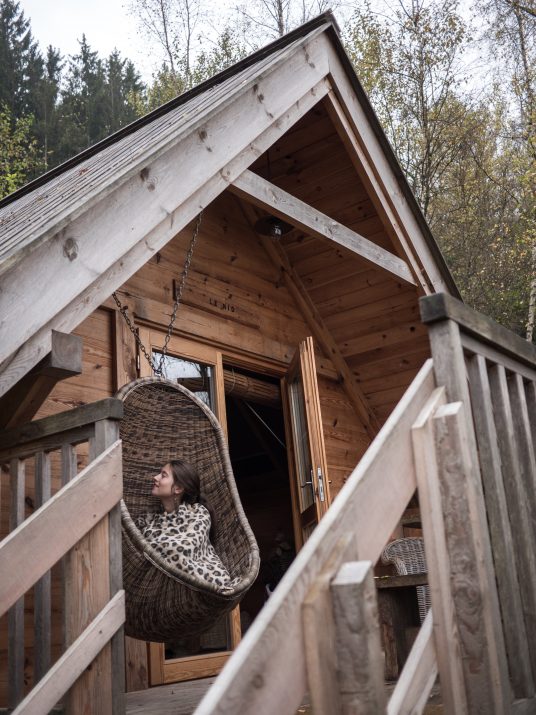 Photo by Martin Dufosset on Unsplash
Today many options exist when selecting environmentally responsible building materials. the alternatives are vast, including sustainability-certified wood products, reclaimed or salvaged wood, and insulation made up of recycled materials.
Another advantage to carefully selecting building materials is best indoor air quality. many sorts of carpeting, wall coverings, stains, and paints release volatile organic compounds and other air pollutants. Healthier alternatives exist, like low-VOC paints and hard-wax oil for floors. Given the amount of hours you spend in your house daily, minimizing your exposure to those toxic components is extremely important.
Make it a Passive House
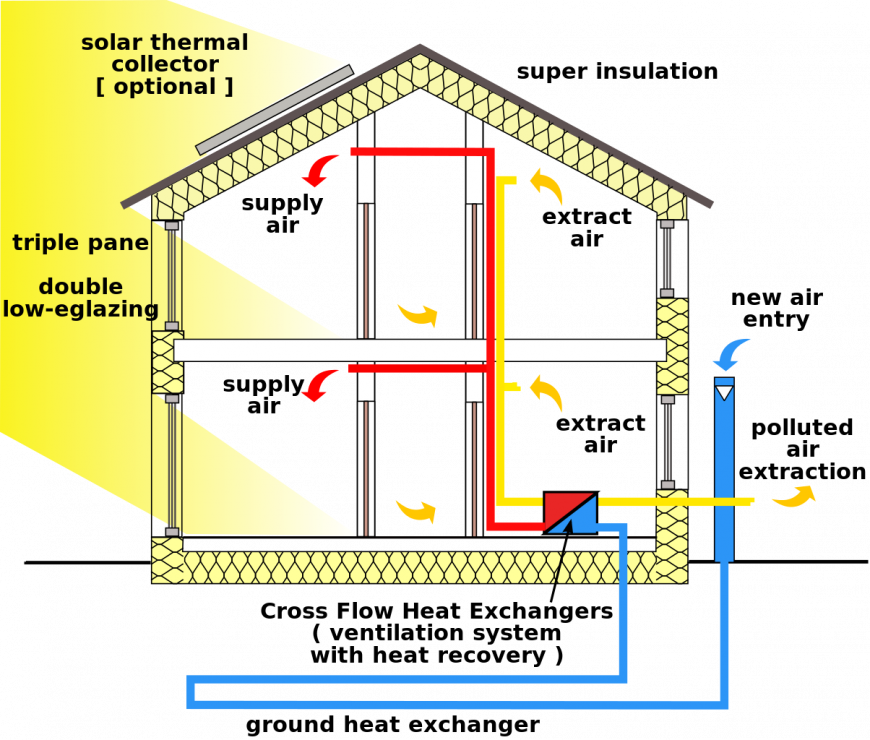 Passivhaus cross-section, English annotation, photo via Wikimedia
The passive house concept consists during a series of standards aimed toward maximizing energy efficiency. The concept relies on design elements that target reducing the wants for heating and cooling. the planning elements include:
- Extremely effective wall insulation. The surface shell of the structure must include enough insulation materials to supply a really high R-value.
- Windows have to be made from glass that limits heat transfer, with well insulated frames. In northern climates, this may mean triple-pane windows.
- Heat recovery through a device inbuilt the ventilating system further limits heating needs.
- The house envelope (walls, windows, and roof) has to provide a high degree of airtightness. It doesn’t mean the house will feel stuffy, as air change needs are handled by the ventilation and warmth exchanger systems.
- The orientation of the house and its windows allows for passive solar heating, and for the entry of natural light, limiting further electricity needs.
Passive house designs bring a home with low energy requirements, high indoor air quality, even and steady indoor temperature, and therefore the ability to stay comfortable during power outages. Typically, the upper construction costs of the materials involved within the building of a passive house are offset by simpler architectural elements and smaller heating, cooling, and electric systems. Furthermore, occupants incur substantially lower energy costs.
Conserve Water
 Photo by Sasikan Ulevik on Unsplash
Residents of the USA and Canada have the unfortunate distinction of using the best amount of water per person, per day. Giving our increasing population, pervasive pollution, ongoing droughts, and changes caused by warming, our water use habits have to change. Building a replacement house offers many opportunities to save lots of on water. Low volume bathroom and kitchen fixtures are essential, including low flow, dual flush toilets.
Makes Energy Savings Easy

Right from the beginning, experts recommend integrating renewable energy systems into the planning of a replacement home, whether it’s solar panels, residential wind turbines, or micro-hydroelectric generation. If the initial investment is just too steep to contemplate at the time of construction, planning during the planning phase for an eventual change by reversal to renewable energy will save the owner considerable trouble (and money) later.
However, even as important because the source of the energy you employ is what proportion of it you employ. A well-designed home should allow you to attenuate your energy needs. this may be accomplished by, as an example, choosing efficient appliances, installing LED lights, and using programmable thermostats which can provide you with the cooling and heating you wish only someone’s home. And don’t forget the low-tech solutions: an easy clothesline for drying laundry will further impede on energy needs.
Thoughtfully Landscaped
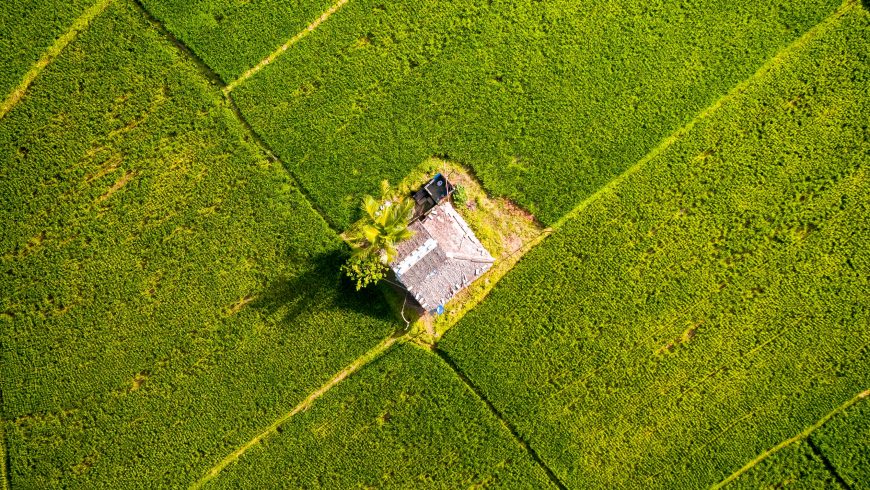 Photo by Jules Bss on Unsplash
The work of building an environmentally friendly home continues outside. Landscaping should be done to attenuate the house’s impact on the landscape:
- Manage rainwater. Collect water runoff from the roof into rain barrels, to be used for watering landscaping plants.
- Minimize impervious surfaces. Make it easier for rainwater to penetrate the soil rather than running off, which allows it to hold nutrients, sediment, and other styles of pollution into nearby waterways. For your driveway and parking areas, choose a permeable material like open-cell pavers or pervious pavers, which can allow water to percolate into the bottom underneath.
- Carefully choose landscaping plant species which require little energy-intensive maintenance like mowing. Favor the choice of native plants with low watering needs. To block water runoff, plant water-loving plants near gutter downspouts, if you’re not already collecting roof runoff.
- Small is best: a tiny low yard is simpler to keep up and diminishes your home’s impact on the encircling habitat. ensure you discuss with your local code officer for minimum vegetation clearances if you reside in a region vulnerable to wildfires.
- Make your backyard wildlife friendly by providing food, water, and canopy for your wilder neighbors.
Cover image: photo by Unsplash
 About the author: Diane H. Wong is a copywriter at DoMyWriting. Besides, she is a professional nutritionist. So she is going to start writing her own blog. It can help her share her knowledge with others.
Really Green! 10 Ways Hotels Can Better Their Ecological Quality and Reduce Their Impact On The Environment
Discovering unique places without harming the environment, hosted in accommodations with enough ecological quality, is the desire of every traveler who is aware of how much his or her journey can harm the environment. But, the increasing demand for eco-tourism is causing an increase in “greenwashing” too. Eco-sustainability, in fact, has often become a marketing strategy, and some tourist […]
Eco Homes of the Future
It’s about time that the world starting creating more eco homes. We are far too dependent on fossil fuels, our resources are slowly diminishing, and the way many of us are living is having a horrible impact on the environment. It doesn’t need to be this way. It’s clear that eco homes of the future […]

Random Listings


